The UNESCO Chair in Translating Cultures

The King Faisal Center’s main role is to provide a knowledge platform, bringing together local, regional, and global researchers and research organizations to produce original research in the humanities and social sciences and engage in intellectual discussion and intercultural dialogues.
The Center established the UNESCO Chair in Translating Cultures in October 2023 with the support of
the Literature, Publishing and Translation Commission. It helps to meet a growing need for
interdisciplinary research in the Humanities and
Chair, Professor Moneera Al-Ghadeer
Professor Moneera Al-Ghadeer holds the UNESCO Chair and the leader of the Translating Cultures Lab. She is also a senior advisor at the Ministry of Culture. Professor Al-Ghadeer received her Ph.D. in comparative literature from the University of California, Berkeley. Her work focuses on Arabic, African-American, and Francophone literature, philosophy, oral tradition, and translation studies. She was the Arcapita Visiting Professor of comparative literature in the Department of Middle Eastern, South Asian, and African Studies at Columbia University and was a Shawwaf Visiting Professor at Harvard University. She was a tenured Professor at the University of Wisconsin-Madison and has received a number of fellowships and awards from the University of California at Berkeley and the University of Wisconsin-Madison along with a postdoctoral fellowship from Emory University. Her book, Desert Voices: Bedouin Women’s Poetry in Saudi Arabia (I.B. Tauris/American University of Cairo Press, 2009), is the first English translation and theoretical analysis of Bedouin women’s oral poetry from Saudi Arabia. She has had articles, book chapters, and translations published by Oxford University Press, Cambridge University Press, Columbia University Press, and Bloomsbury Publishing, in addition to having her work published in journals such as the Journal of Arabic Literature, Michigan Quarterly Review, Two Lines Press, asymptote, and Arablit, among others. Recently, she completed the translation of five poetry collections by Badr Bin Abdulmohsin and her anthology, Translating the World: Contemporary Poems from Saudi Arabia is forthcoming. Professor Al-Ghadeer has served on the advisory board of the Journal of Arabic Literature, the Journal of Middle East Women’s Studies, and several cultural and book awards’ Advisory Committees.
The Chair’s Objectives
- Foster research and partnerships that promote translating cultures as a process of cross-cultural communication and dissemination of knowledge by bridging differences between cultures, emphasizing the translation of key cultural texts into and from Arabic, and focusing on creating South-South intercultural dialogue.
- Nurture a new generation of experts in translating cultures by developing and implementing initiatives that enhance teaching, learning, and research in the field of translation studies and the humanities. This includes offering fellowship programs, grants, and educational events open to the public.
- Disseminate research findings, best practices, and educational resources related to translating cultures through publications, seminars, workshops, and online platforms to reach a broader audience and foster a global understanding of cultural diversity within translation studies.
- Inspire innovative approaches, policies, and practices in the field of translating cultures to broaden the concept of ‘culture’ and enhance cultural diversity and understanding of Arab cultures through translation, thus advancing societal and institutional recognition of the value of cultural translation and fostering a more inclusive and diverse cultural landscape.
- Cooperate closely with UNESCO, other UNESCO Chairs, and UNITWIN Networks on relevant programs and activities.
Themes
Themes for 2026
Drawing upon the intellectual legacy that flourished during the Abbasid Caliphate (750–1258 CE) and Andalusia (711–1492 CE), Arab thought represents a vast and evolving philosophical and cultural heritage. This theme emphasizes the developmental continuity and internal diversity of this tradition, positioning translation as an essential epistemological bridge connecting classical foundations to contemporary inquiries. By exploring the ways in which this heritage persists into the present, the theme seeks to dismantle the homogenizing presuppositions that have historically led to the sidelining of modern Arab intellectual contributions, reasserting the tradition’s sovereign presence within the global history of ideas.
Under the overarching theme of Modern Arab Thought in Translation, the investigation is organized around four interconnected pillars that have structured Arab intellectual debates since the twentieth century. These include reason and epistemology; the intersection of heritage and metaphysics; the critique of identity and language; and the emerging philosophies of gender and the self. To support these areas, this analytical framework privileges comparative and transregional methodologies that foreground the relational production of knowledge across contexts.
Specific attention is given to the formation of the ethical subject and the social imaginaries through which agency and futurity are articulated. These inquiries attend to how concepts of the self are shaped through encounters with modernity, colonial power, and linguistic transformation. To manifest these concerns, the theme identifies and translates a curated selection of seminal Arabic works that crystallize these critical junctures, bringing them into dialogue with contemporary global scholarship while retaining their historical and conceptual specificity. This theme demonstrates how these interventions often emerge in response to, and in defiance of, epistemic violence and the disrupted trajectories of modernity. The investigation proceeds from the thesis that Arab thought is a living field of inquiry that continuously redefines its own premises, employing translation as a site of critical intervention to preserve the conceptual integrity of a tradition in constant, productive intellectual renewal.
Although the term “youth” (conventionally demarcated as the demographic between ages 15 and 24) remains a fluid, non-homogenous construct, UNESCO has underlined the importance of engaging and integrating young people into cultural sectors. As today’s youth possess a high degree of digital literacy and inhabit a hyper-connected global landscape, analyzing the unique modalities of modern youth culture and their intersection with shifting national, regional, and global identities has emerged as a critical scholarly imperative. Arab youth as a demographic, in particular, function as transformative social actors; according to the most recent available figures, over half of the population of the MENA region and 63% of the population of Saudi Arabia consists of individuals under the age of 30. This demographic expansion represents an unprecedented proportion of the region’s population. Given that cultural and educational capital consistently rank as priorities to young people, and, considering the pre-pandemic trend of youth being disproportionately represented within the creative and cultural industries (CCIs), they now serve an essential role in defining and perpetuating cultural heritage. Interrogating the ways that contemporary youth interact with the intergenerational transmission of culture, and the diverse performative expressions by which they articulate and contest cultural meanings—provides vital insights into how cultural subjectivity is conceptualized, shared, and re-encoded within a hyper-connected and rapidly evolving global landscape.
In spite of the potentially standardizing constraints of global digital infrastructures, Arab youth utilize their extensive technological fluency to instrumentalize social media into expressive spheres for cultural articulation and the performance of distinct subjectivities. However, these digital environments are mediated by algorithmic architectures, moderation protocols, and market-driven imperatives that prioritize specific linguistic registers and aesthetics; these forces dictate the transnational circulation of certain youth cultures while relegating others to the periphery or rendering them comprehensible only through Western frameworks. Within an information ecosystem often dominated by Western cultural paradigms, youth in the Arab World—and the broader Global South—are exercising cultural agency through emergent digital modalities in a highly experimental and iterative manner. In these contexts, the analytical framework of identity has shifted from a monolithic view toward a more pluralistic understanding, making the intersecting markers of affiliation and self-perception becoming increasingly visible. Crucially, while these forces facilitate the articulation of subcultural formations, they can amplify both marginalized and divergent discourse while simultaneously exerting a countervailing pressure toward cultural homogenization in an assimilation of “global” norms.
This tension between digital agency and algorithmic constraint underscores the necessity for deeper critical inquiry into the multifaceted nature of youth culture. Despite their high levels of intellectual capital and socio-political consciousness, contemporary youth navigate significant socio-economic disparities, particularly regarding labor market integration. Concurrently, however, creative practitioners and subcultural collectives are spatializing new modes of outreach and exploration. As Linda Herrera has demonstrated, youth within the region are cultivating decentralized yet consequential social non-movements and expressions of “wired citizenship” that re-envision participation beyond normative institutional frameworks and traditional public spheres. The manner in which contemporary youth negotiate long-standing social institutions—and the cultural customs they uphold—further signals a rigorous need for a nuanced analysis of how youth culture is mediated across linguistic and national boundaries. Given that youth culture exists in a state of continual flux, deeply intertwined with global currents, the act of “translating” culture transcends mere interlingual exchange, evolving instead into a complex intergenerational project. The Chair will therefore approach ‘Translating Youth Culture/s’ as an inquiry into shifting registers of recognition, interrogating the discursive processes through which youth render lived experience into recognizable cultural forms. It seeks to uncover how these acts of translation navigate the tensions between algorithmic governance and individual agency, and the ways in which such forms are contested, resisted, or re-authored as they circulate through transnational flows of global cultural practice.
Themes for 2025
The field of Translation Studies underwent a significant paradigm shift during the 1980s and 1990s, evolving from a peripheral discipline to a dynamic and interdisciplinary area of research. This transformation was marked by the advent of what Susan Bassnett and André Lefevere termed the "cultural turn," which gave rise to the “translating cultures” framework. This conceptual framework departed from earlier interlinguistic and equivalence-focused approaches, broadening the scope of translation studies to encompass the cultural and sociopolitical forces that shape translation theory and practice. Similarly, in the last few years, the recent developments of Artificial Intelligence (AI) represent another transformative moment for translation studies, one that may be understood as initiating a new "technological turn." Just as the cultural turn redirected attention to the embeddedness of translation within broader sociocultural systems, AI now compels us to rethink the intricate interplay between culture and translation, challenging traditional paradigms and opening new possibilities for exploration and new human-to-human and human-to-AI interactions. Does this technological turn suggest that translating cultures has become an increasingly complex endeavor in the digital age or does it open new possibilities for study and practice? The Chair will critically examine how the technological turn in translation studies influences the study of translating cultures in the Arab world and the Global South. The digital age has fundamentally reconfigured the epistemological dimensions of "culture," rendering it distinct from the conceptualizations that dominated disciplines such as sociology, cultural studies, and cultural anthropology in the twentieth and early twenty-first centuries.
- How do we reconceptualize translation cultures in the digital age, given that translation and culture are evolving into a dynamic, decentralized, and algorithmically mediated phenomenon, and what new interpretive strategies are needed to navigate their fluid, data-driven formulations?
- What ethical and technical considerations emerge as AI-driven translation systems advance beyond mere translation, gaining the ability to interpret, adapt, and localize multimodal content for diverse intracultural contexts?
- What role does AI-based machine translation play in shaping the power dynamics between dominant and minority languages, and could it perpetuate cultural biases or mitigate linguistic homogenization?
- How can AI serve as a tool to challenge these biases, promote diverse cultural and linguistic perspectives, and contribute to the development of more equitable and inclusive systems?
The Chair will raise awareness of the significance of preserving and documenting cultural heritage through a variety of initiatives and activities. It will also address gaps in translation studies by advancing research in intangible heritage and the underrepresented popular and oral cultural terrains of Arab nations, while emphasizing the crucial role of translation in international discussions about oral traditions, folklore, and oral history. Additionally, the Chair will collaborate with three UNESCO Chairs in Egypt, Spain, and Mexico to explore intangible heritage, focusing on recent debates, particularly in the Arab world and countries of the Global South. In this context, the Chair will work on translation projects, with an emphasis on discovering and translating heritage.
Themes for 2024
The Chair will revive the understudied Arab and Muslim legacy of translation and the established transfer of knowledge by expanding this rich human heritage on both intellectual and practical levels. As there is a gap in the exploration of translating cultures, particularly in the Arab world and in South-South cultural relations, the Chair will encourage theoretical discussions that will bridge the cultural disciplinary divisions between the arts and humanities and other fields.
For nearly two millennia, the edges of the Asian landmass were brought together by ever-changing networks of mobility. Sogdian caravans, Arab and Persian mariners, Chinese traders, and itinerant Muslim, Manichean, and Buddhist sojourners left deep cultural-religious legacies, and royal translation bureaus commissioned by powerful potentates enabled many literary and scientific works to cross linguistic and geographic divides. A rich body of literary treasures testifies to these multifaceted encounters in the Arabophone and Sinophone worlds. From celebrated works of novelty and travel to thirteenth-century medicinal and astronomical compendiums to sixteenth-century attempts to harmonize Muslim and Confucian worldviews, these texts drew upon a vast trove of Arabic, Persian, Chinese, and even Western-language sources. The Chair will reflect on this tradition as it investigates the theoretical and methodological quandaries that face all acts of translation in cross/trans/inter-cultural contexts. Its forward-facing aims will provide a comprehensive framework for facilitating deeper Arab-Sino cultural exchange, identify challenges and opportunities for the translation of cultures in a globalized era, and engender a new culture of translation across China and the Arab world.
The Strategic Languages for 2024 - 2025
- English
- Chinese
- Spanish
- German
Advisory Board
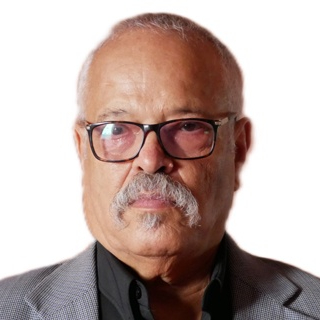
Dr. Abdulsalam Bin Abdulali
Mohammed V University
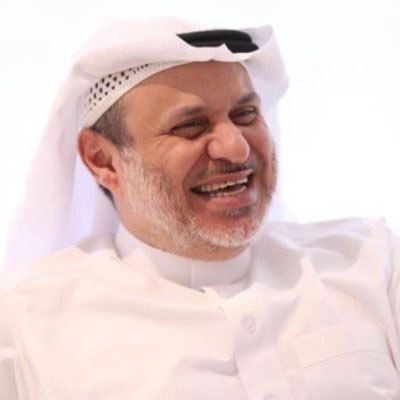
Dr. Ziyad Al Drees
Former Permanent Representative of the Kingdom of Saudi Arabia to UNESCO
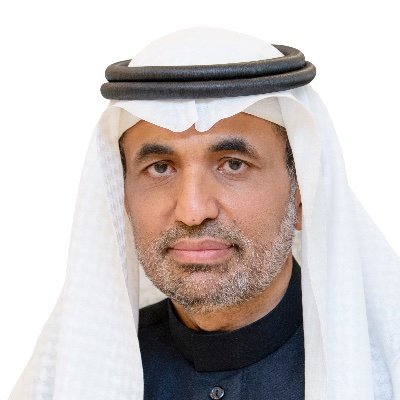
Dr. Jasir Al Harbash
CEO of the Heritage Commission
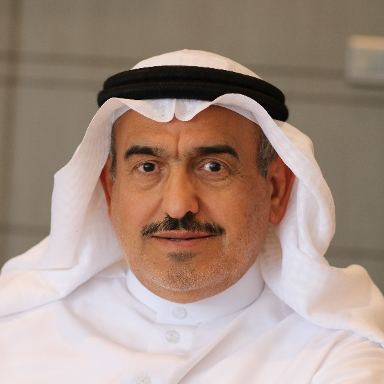
Dr. Abdulaziz Alsebail
King Faisal Prize Secretary General

Professor Susan Bassnett
University of Glasgow
Professor William Granara
Harvard University
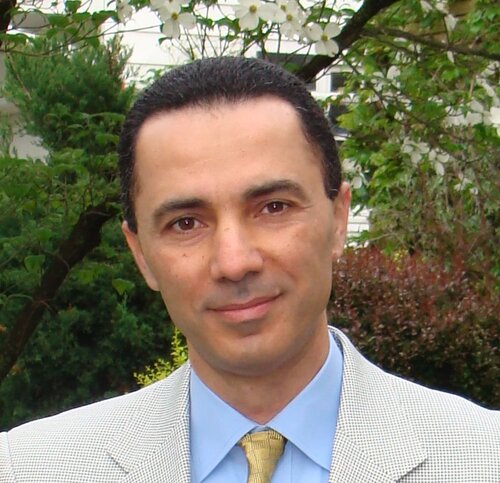
Professor Waïl S. Hassan
University of Illinois at Urbana-Champaign
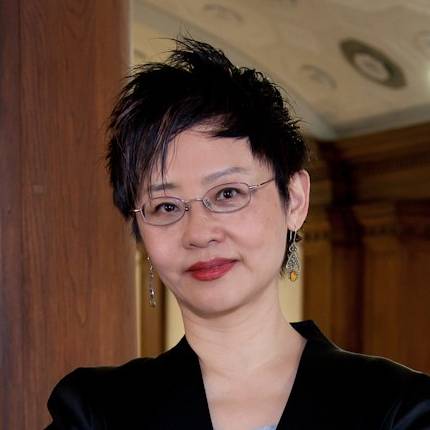
Professor Lydia H. Liu
Columbia University
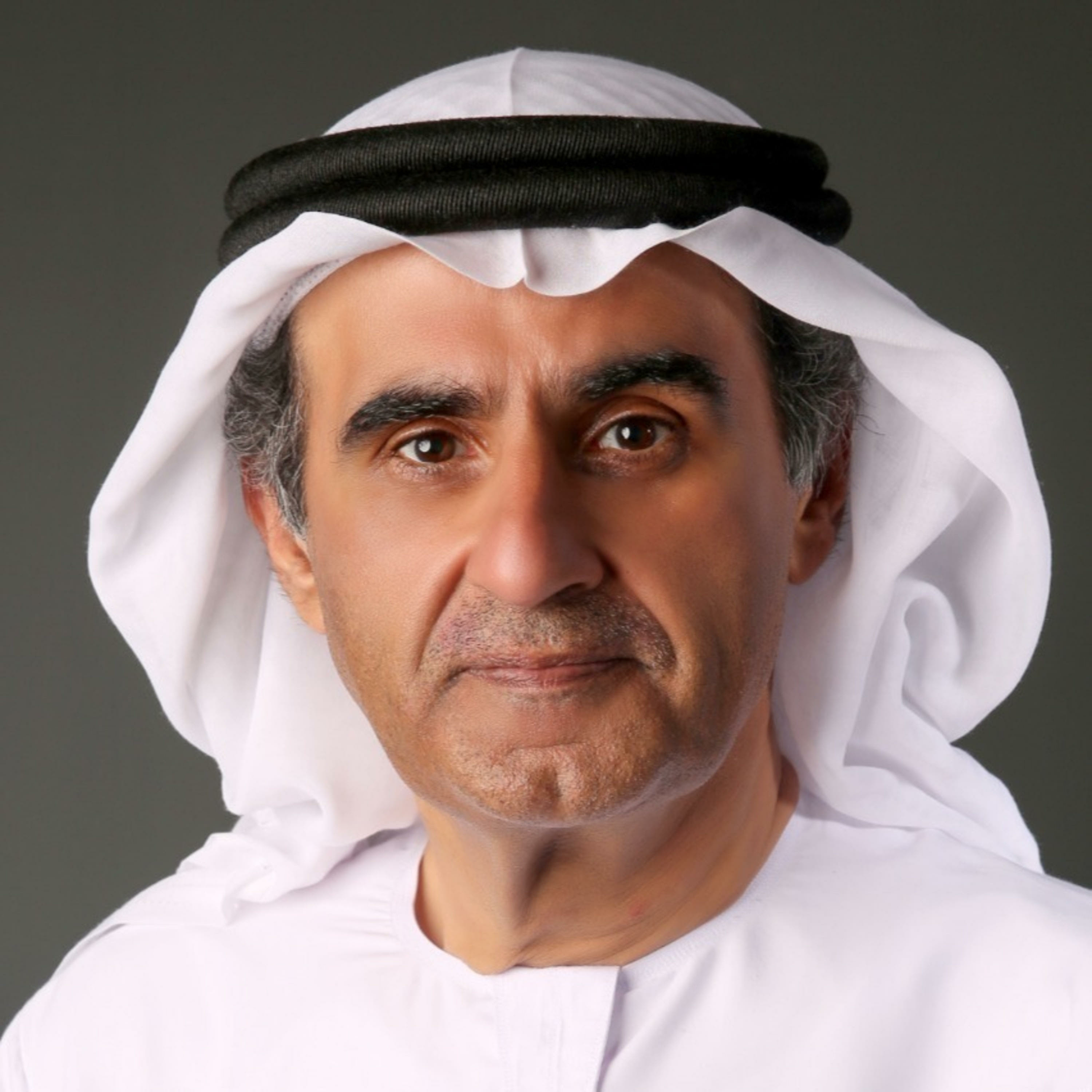
Dr. Ali bin Tamim
Chairman of the Abu Dhabi Arabic Language Centre
- Chair, Professor Moneera Al-Ghadeer's Speech, to view click here
- Lecture “Translating Arab Culture into European Languages” by Dr. Abdel Salam Bin Abdel Ali, to view click here click here
- Lecture “Translating Cultures: Past, Present, Future” by Professor Charles Forsdick, to view click here click here
News
Events


About the UNESCO Chair
The UNESCO Chairs programme was launched in 1992 with the aim of promoting international
inter-university cooperation, to share knowledge and develop a collaborative work. There are now
some 1000 UNESCO Chairs in 120 countries.